Last December, the NWE Annual Event in Luxembourg brought together 340 participants to showcase our ongoing projects and explore how project outputs can lead to stronger impact and lasting change.
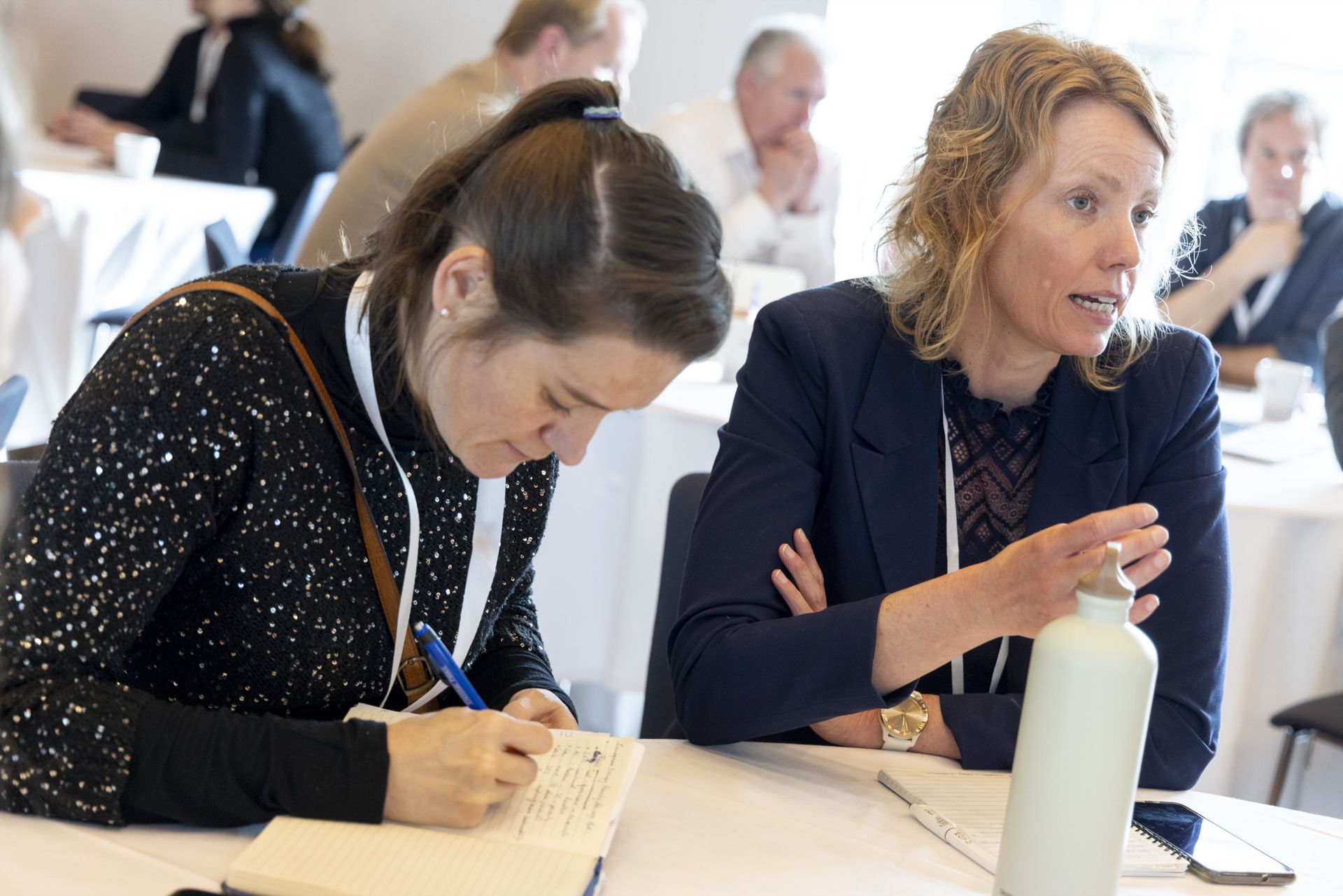
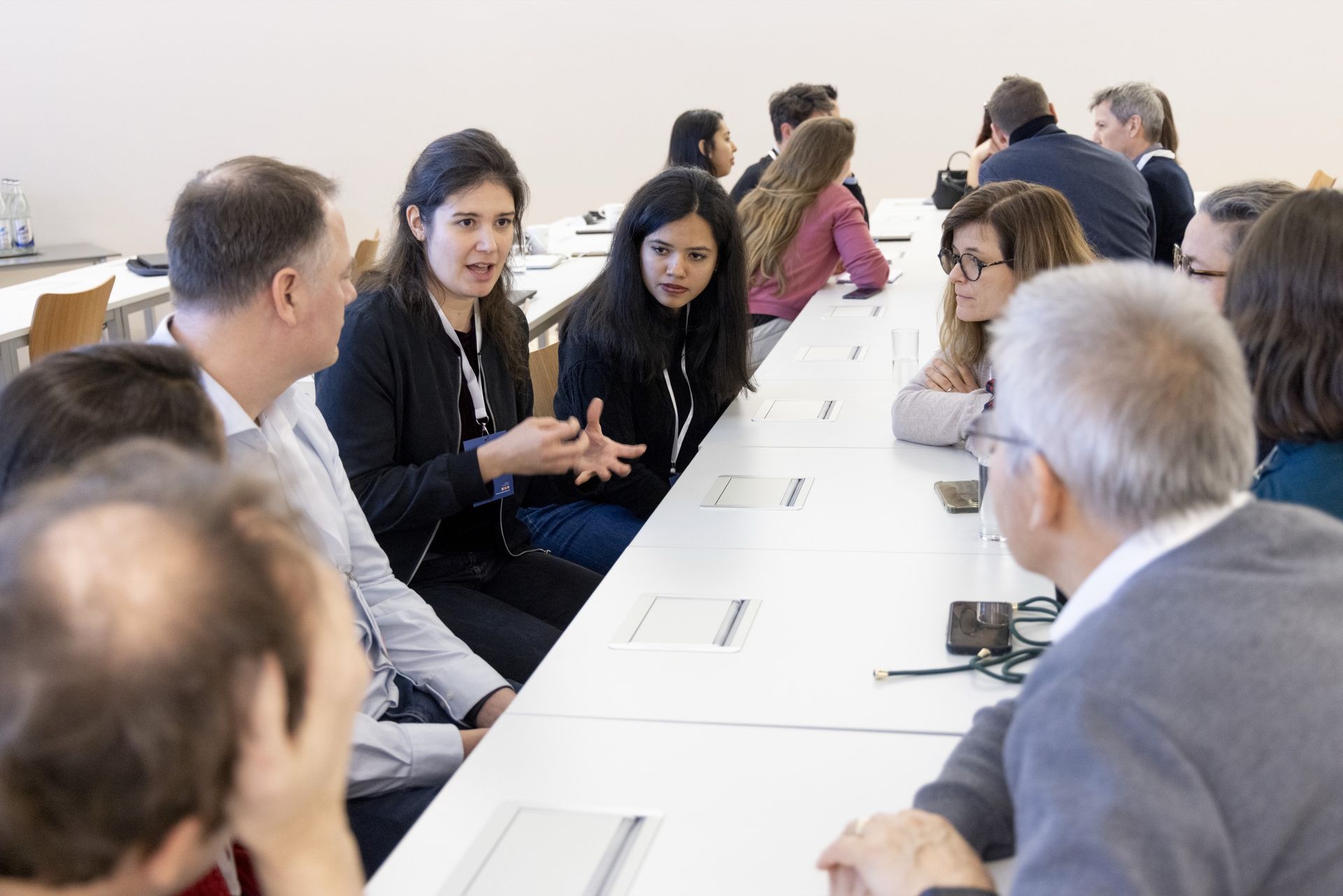
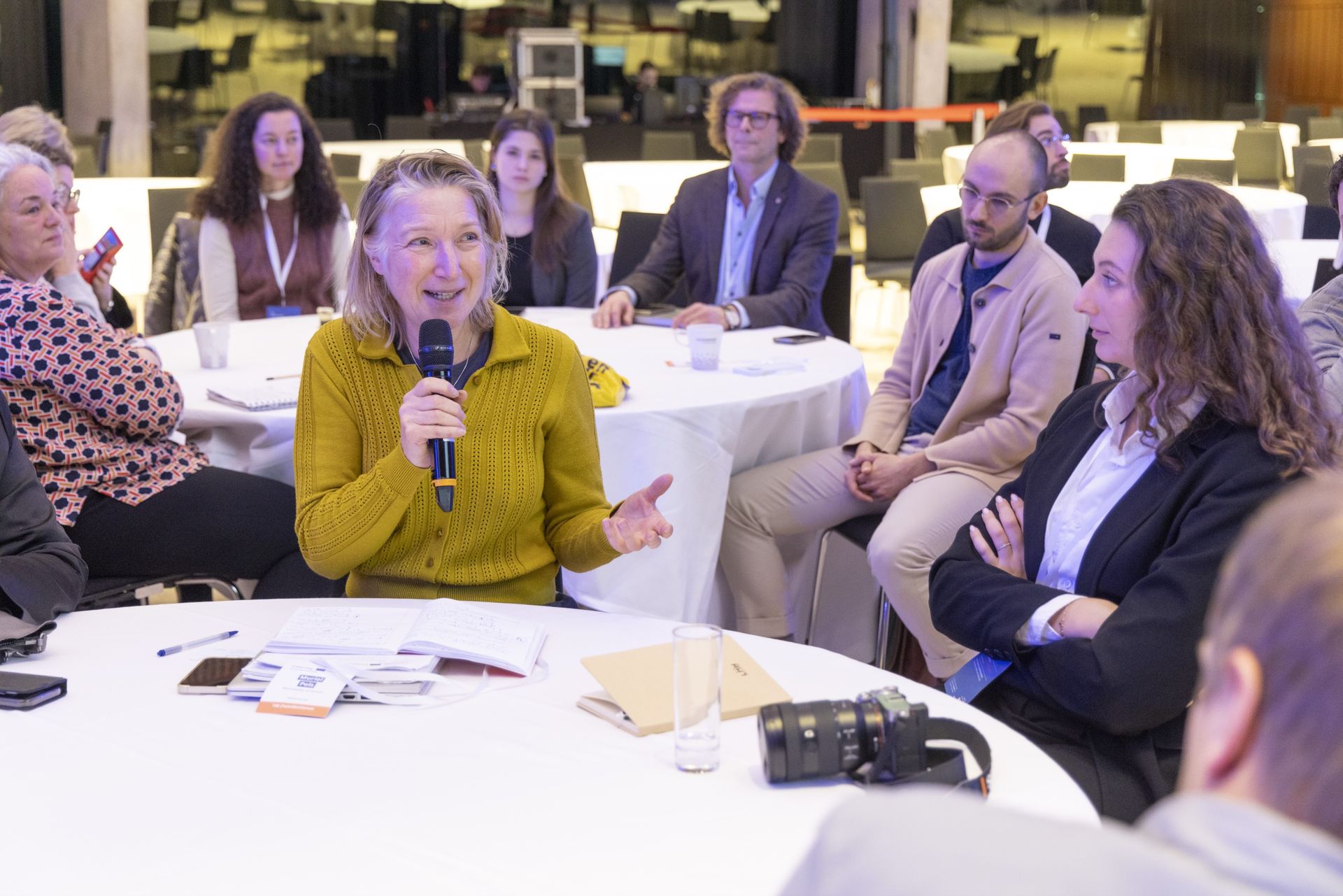
A key moment was the thematic networking sessions, which connected stakeholders facing similar challenges and opened a conversation on how to turn project outputs into lasting results.
The sessions focused on six topics:
- Improving water resilience and security
- Driving the energy transition with communities
- Cultivating smart and sustainable agriculture
- Developing resilient and smart cities
- Enhancing access to healthcare
- Promoting reuse practices and circularity
In a round-table format, participants explored the challenges and opportunities linked to the uptake and roll-out of project outputs. This article summarises the main ideas and suggestions shared during the sessions.
Stakeholders need… more thematic clustering within NWE and beyond
Thematic clustering and cross-programme activities can strengthen long-term effects, but stronger support is needed to facilitate exchanges and connections.
This can be supported through:
- events, conferences, workshops and site visits that bring together projects from different programmes
- communities of practice or long-term networks to scale up results
- stronger links with previous projects, so knowledge is not lost
- a better use of already existing EU-level platforms, which can be a first step in reaching out to peers
🔗 Keep.eu • Interreg cooperation projects database
🔗 Kohesio • EU Cohesion Policy projects database (ERDF/ESF/CF, etc., incl. Interreg)
🔗 CORDIS • EU Research & Innovation projects and results portal (Framework programmes like Horizon 2020 / Horizon Europe)
Stakeholders need… outputs that are visible and easy to access
Communication has been recognised as essential to increase the visibility of project outputs for wider and more diverse audiences.
At project level, the importance of the communication manager in structuring outreach activities, engaging partners and translating outputs into messages that are accessible and adapted to specific target groups was highlighted.
At programme level, stakeholders called for a single, central space to showcase project outputs and solutions to a broader audience. Programme-level platforms already exist, including:
- Interreg Europe Policy Learning Platform helps policymakers across Europe find relevant solutions to local or regional development challenges through the exchange of experience and good practices.
- European Urban Initiative Portico supports better urban policy and strategy design, implementation, and mainstreaming.
Stakeholders need… stronger partner and end-user engagement
Keeping partners and their networks, including associated organisations, involved beyond the project lifetime is essential to support sustainability and uptake of results.
Stakeholders suggested redefined partner roles, for example by:
- giving associated organisations a stronger role, potentially with a dedicated budget
- creating “uptake partners” who continue promoting and disseminating results after the project ends
End-user engagement is equally important to ensure results are embedded in communities and ecosystems. Co-creation, upskilling and training were identified as practical ways to support this.
Stakeholders need… stronger structural support for durability
Project momentum often slows down at the end of the funding period. To prevent project results also running out of steam, participants stressed that durability should be built in from the start. The way projects are developed and structured can be streamlined to better support long-term effects.
One suggestion was to include a dedicated, mandatory work package on uptake, ensuring these activities are planned, resourced and monitored. Targeted calls focused on durability, uptake and communication were also mentioned as a way to provide the additional support needed to help results reach their full potential.
Participants also pointed the need for:
- Lobbying and advocacy strategies to help embed results in local, regional and national policy
- Viable business models to sustain initiatives beyond the funding period
©Michel Brumat
The discussions in Luxembourg made one thing clear: impact does not happen by accident. It depends on:
- how projects build connections and enhance their networks
- how outputs are communicated and given visibility
- how partners and end users stay involved
- how uptake is supported structurally
These insights will be used to inspire new activities at project and programme level. They will also feed into the design of the future 2028-2034 Programme, which will officially be launched by the NWE Member States in June.
What about you? Let us know in the poll below what you believe is most important to ensure durability of results!